Expert Sports Injury Rehabilitation in Lakeview
By Matthew Johnson, Muscle & Joint Physical Therapy
Sports injuries can impair performance and significantly impact an athlete’s physical and mental well-being. Effective rehabilitation is crucial for a swift return to play. This article delves into sports injury physical therapy in Lakeview, highlighting recovery strategies, treatment options, and methods to expedite your comeback. Understanding the nuances of physical therapy for sports injuries can foster faster recovery times and minimize the risk of re-injury. We’ll explore common sports injuries, treatment modalities, and the specialized rehabilitation process tailored at Muscle & Joint Physical Therapy, ensuring you have the knowledge needed to reclaim your athletic prowess. By following these comprehensive strategies, you can aim for a safe and effective return to your sport.
Recovery Strategies
Recovery strategies are essential components in the rehabilitation process for sports injuries. These methodologies focus on a systematic approach to healing, ensuring that athletes regain their strength, flexibility, and functionality. Personalized recovery plans involve several elements that prioritize an athlete’s individual needs and goals. Effective recovery strategies typically include a phased rehabilitation approach, individualized treatment plans, and a performance-driven focus.
Phased Rehabilitation Approach

The phased rehabilitation approach is critical for maximizing recovery outcomes. It involves three primary stages: pain and inflammation management, strength and stability restoration, and return-to-sport physical therapy. During the first phase, therapists focus on alleviating pain and reducing inflammation through various modalities such as ice, compression, and rest. Progressing to the second phase, targeted exercises aimed at strengthening the affected muscles and improving stability are introduced. Finally, the return-to-sport phase emphasizes sport-specific rehabilitation, which facilitates a smooth transition back into the game.
Incorporating a structured approach ensures that athletes are not only recovering but are also prepared to meet the physical demands of their sport, thereby safeguarding against future injuries.
Rehabilitation Exercise & Physiotherapy for Sports Injury Recovery
Sports injuries are a major concern among athletes and physically active individuals, often resulting in pain, reduced performance, and prolonged absence from sports. Effective recovery and prevention strategies are crucial for maintaining an active lifestyle and optimizing athletic potential. Rehabilitation exercise and physiotherapy play a vital role in addressing these challenges.Advances in Rehabilitation Exercise and Physiotherapy Approaches for Sports Injury Prevention and Recovery Management, 2023
Treatment Options
Various treatment options are available for athletes dealing with sports injuries, providing a holistic approach to rehabilitation. These methodologies are designed to cater to the specific type of injury, ensuring the most effective recovery process. Some common treatment options include manual therapy, targeted exercises, and sport-specific drills.
| Treatment Method | Description | Benefits |
|---|---|---|
| Manual Therapy | Hands-on manipulation of soft tissues | Reduces pain and improves mobility |
| Targeted Exercises | Strengthening workouts tailored to specific injuries | Enhances recovery and restores function |
| Sport-Specific Drills | Activities that mimic sport actions | Prepares athletes for real-game scenarios |
These treatment methods aim to address not just the injury but also the overall physical condition of the athlete, which is paramount for successful rehabilitation.
Methods to Expedite Return to Play
To ensure an efficient and safe return to play, specific methods and protocols are vital. Gradual return-to-play protocols are established to facilitate a structured reintegration into sport. Education on injury prevention techniques is integral throughout the rehabilitation process, equipping athletes with the knowledge to avoid future injuries. Furthermore, comprehensive care that incorporates physical therapy and ongoing assessment ensures that athletes are fit to return safely.
By prioritizing these methods, athletes can effectively reduce the recovery timeline while maintaining their performance levels. Ensuring that each aspect is addressed can create a solid foundation for long-term athletic success.
Common Sports Injuries
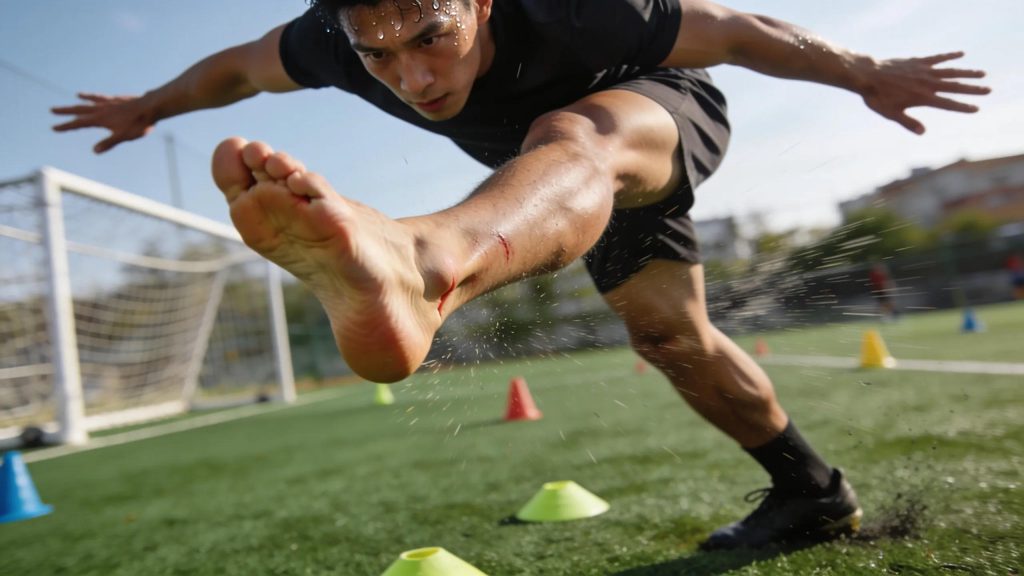
Common sports injuries often affect athletes across various levels and can include conditions such as ACL tears, rotator cuff injuries, and ankle sprains. Understanding these injuries provides crucial insight into appropriate treatment and recovery options.
- ACL Tears: Characterized by a significant loss of stability in the knee, often resulting from sudden changes in direction.
- Rotator Cuff Injuries: These injuries involve tears or inflammation in the shoulder muscle group, commonly seen in overhead athletes.
- Ankle Sprains: These are commonplace and occur from rolling, twisting, or turning of the ankle, leading to ligament damage.
By recognizing the symptoms and treatment options for these injuries, athletes can seek timely interventions, significantly improving recovery outcomes.
Accelerated & Individualized ACL Rehabilitation Protocols
Physical therapy plays a critical role in the successful recovery of both surgically and non-surgically managed patients. Interestingly, ACL rehabilitation protocols vary greatly with little consensus among practitioners. Nonetheless, there has been agreement over the last decade to shift from conservative, standardized length protocols to more accelerated, individualized protocols that vary in length and modalities based on patient-specific findings and preferences.
Rehabilitation after anterior cruciate ligament injury: review of current literature and recommendations, BB Gardner, 2022
Interventions for Acute Ankle Sprains: A Comprehensive Approach
Several interventions have been recommended in the management of acute ankle sprains including rest, ice, compression, and elevation, analgesic and anti-inflammatory medications, bracing and immobilization, early weight-bearing and walking aids, foot orthoses, manual therapy, exercise therapy, electrophysical modalities and surgery (only in selected refractory cases).
Acute ankle sprain in athletes: Clinical aspects and algorithmic approach, F Halabchi, 2020
Our Specialized Rehabilitation Process
At Muscle & Joint Physical Therapy, we offer a specialized rehabilitation process tailored to address sports injuries effectively. The first step involves a thorough assessment and diagnosis, identifying the specific nature and extent of the injury. Following this, personalized rehabilitation plans are crafted, focusing on the unique needs of each athlete.
Continuous monitoring throughout the rehabilitation journey ensures that adjustments are made as necessary, leading to an effective and customized recovery experience. This dynamic approach not only promotes healing but also enhances the athlete’s overall performance.
Helping Athletes Safely Return to Play
To support athletes in their recovery journey, several strategies are employed to aid in their return to play. Key strategies include developing a robust rehabilitation plan, implementing ongoing assessments to track progress, and employing preventative strategies to mitigate the risk of re-injury.
- Robust Rehabilitation Plan: A well-structured plan aligns with the athlete’s goals and rehabilitation needs, ensuring recovery occurs safely and efficiently.
- Ongoing Assessments: Regular evaluations help adjust therapeutic strategies as needed, promoting the best outcomes based on the athlete’s progress.
- Preventative Strategies: Teaching athletes valuable techniques for injury prevention contributes to their longevity in the sport and reduces overall injury recurrence.
These methods underscore the commitment to athletes’ health and performance, facilitating a safe and confident return to their respective sports.