Accelerating Recovery with Advanced Physical Therapy Techniques
By Matthew Johnson, Muscle & Joint Physical Therapy
In today’s fast-paced world, patients are increasingly seeking solutions that enable quicker recovery and improved physical function. Advanced therapies represent an evolution in rehabilitation, integrating techniques that go beyond traditional approaches to effectively bind the body’s natural healing processes. At Muscle & Joint Physical Therapy, these innovative therapies are designed to optimize recovery outcomes and enhance overall well-being. This article explores various advanced therapies, including manual therapy, therapeutic exercises, and neuromuscular re-education, and how they function to accelerate healing.
Understanding how these advanced therapies operate provides insight into their significant advantages. From fostering patient-centered rehabilitation plans to improving clinical outcomes, each therapy plays a pivotal role in recovery. We will delve into the unique benefits of these methods and their applications in sports-related injuries and chronic pain management, concluding with a discussion of personalized rehabilitation strategies offered at Muscle & Joint PT.
Manual Therapy
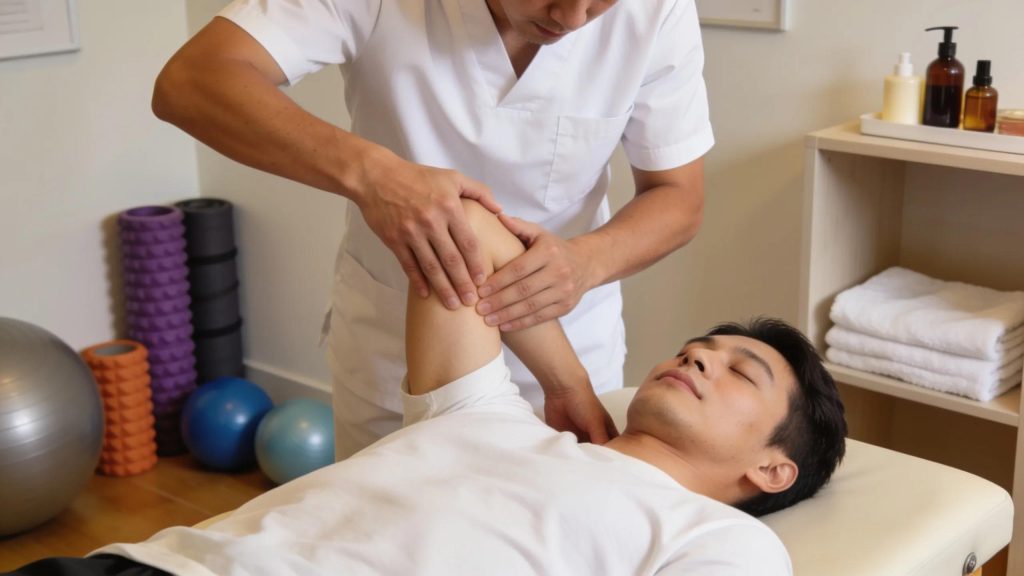
Manual therapy encompasses a range of hands-on techniques aimed at alleviating musculoskeletal pain and improving mobility. These methods involve manipulating soft tissues and joints to reduce pain and enhance physical performance. By targeting specific musculoskeletal issues, manual therapy can lead to substantial relief and functional improvements.
This approach not only focuses on symptom relief but also addresses the underlying causes of discomfort. Coupled with other treatment modalities, manual therapy serves as a crucial component in comprehensive rehabilitation strategies.
Manual Therapy at Muscle & Joint Physical Therapy
At Muscle & Joint Physical Therapy, skilled practitioners employ various manual therapy techniques tailored to the patient’s needs. Techniques such as Active Release Technique and Instrument Assisted Techniques are used to target tissues effectively. Each method delivers unique benefits that include:
| Technique | Benefit | Indications |
|---|---|---|
| Active Release Technique | Reduces muscle tightness and tension | Sports injuries, chronic pain |
| Instrument Assisted Techniques | Enhances tissue mobility and recovery | Post-surgery rehabilitation, tendinitis |
| Myofascial Release | Relieves fascial restrictions | Headaches, neck and back pain |
This comparison of manual therapy techniques elucidates how each can be advantageous in improving patient outcomes, underscoring the importance of personalized treatment methods.
Efficacy of Active Release Manual Therapy for Overuse Syndromes
The study was carried out to evaluate the efficacy of a specific protocol for treatment of overuse syndromes known as Active Release. This treatment protocol was taught to an athletic trainer who had six months experience before initiating a prospective study. Most of the 28 patients who were in the study had failed previous medical treatment for epicondylitis, tendonitis, and carpal tunnel. These patients refused to be randomized as to routine medical care. Results at one month and three months demonstrated a 71% efficacy rate, which when compared to similar studies in literature was superior. As a result of this study, recommendation of further use of this innovative technique is justified. The role of active release manual therapy for upper extremity overuse syndromes—a preliminary report, 1999
Therapeutic Exercise

Therapeutic exercise is integral to physical therapy, offering essential benefits that contribute significantly to patient recovery. Through tailored exercise programs, individuals can build strength, flexibility, and endurance, facilitating a more efficient healing process. The role of therapeutic exercise becomes apparent in its capacity to address movement dysfunction and pain, thus enhancing the overall rehabilitation experience. Tailored exercise programs empower the patient by cultivating independence and confidence in their physical capabilities, essential for ongoing rehabilitation success.
Therapeutic exercises provide crucial training for restoring functional mobility. They empower the patient by cultivating independence and confidence in their physical capabilities, essential for ongoing rehabilitation success.
How Does Therapeutic Exercise Aid Recovery?
The advantages of therapeutic exercises include:
- Strengthening Muscles: Enhances muscle support for surrounding structures, reducing the risk of further injury.
- Improving Flexibility: Increases range of motion, which can alleviate tightness and pain.
- Enhancing Endurance: Builds stamina necessary for daily activities and athletic performance.
These benefits contribute to a well-rounded approach to recovery, fostering a quicker return to normal activities.
At Muscle & Joint PT, exercises are not one-size-fits-all; they are tailored to address specific physical limitations and personal goals. This personalized approach maximizes the efficacy of the therapeutic exercise program, leading to better outcomes and overall patient satisfaction.
Neuromuscular Re-education
Neuromuscular re-education focuses on restoring proper movement patterns and improving the body’s coordination. This treatment modality is particularly beneficial for patients recovering from injuries or surgeries that have affected their movement efficiency. By retraining the brain’s communication with the muscles, patients can regain functional movement and reduce the likelihood of re-injury.
This therapy incorporates techniques that strive to enhance proprioception and motor control, ultimately leading to improved balance and movement quality. Neuromuscular re-education plays a crucial role in sports rehabilitation, enabling athletes to return to their sports with confidence.
Patient-Centered Rehabilitation Plans
At Muscle & Joint PT, patient-centered rehabilitation plans are created to address the unique needs of each individual. This approach prioritizes collaboration between the patient and therapist to devise a plan that encompasses all aspects of recovery. These plans take into account personal goals, physical capabilities, and lifestyle demands.
Benefits of Personalized Rehabilitation
- Tailored Treatment: Each plan is customized to meet specific recovery needs, enhancing effectiveness.
- Comprehensive Assessment: Practitioners perform thorough evaluations to identify all aspects of an individual’s condition.
- Ongoing Support: Continuous interaction between therapist and patient helps adjust the plan as the recovery progresses.
Such an individualized approach not only amplifies recovery speed but also fosters a stronger therapeutic alliance, ensuring each patient’s journey is as effective as possible.
In summary, advanced therapies at Muscle & Joint Physical Therapy represent a forward-thinking approach to healthcare that enhances recovery for a wide array of patients. By integrating manual therapy, therapeutic exercise, and neuromuscular re-education, the treatment provided is comprehensive and tailored to individual needs, resulting in optimal healing and improved physical function. Muscle & Joint PT offers specialized programs to ensure you receive the best possible care.