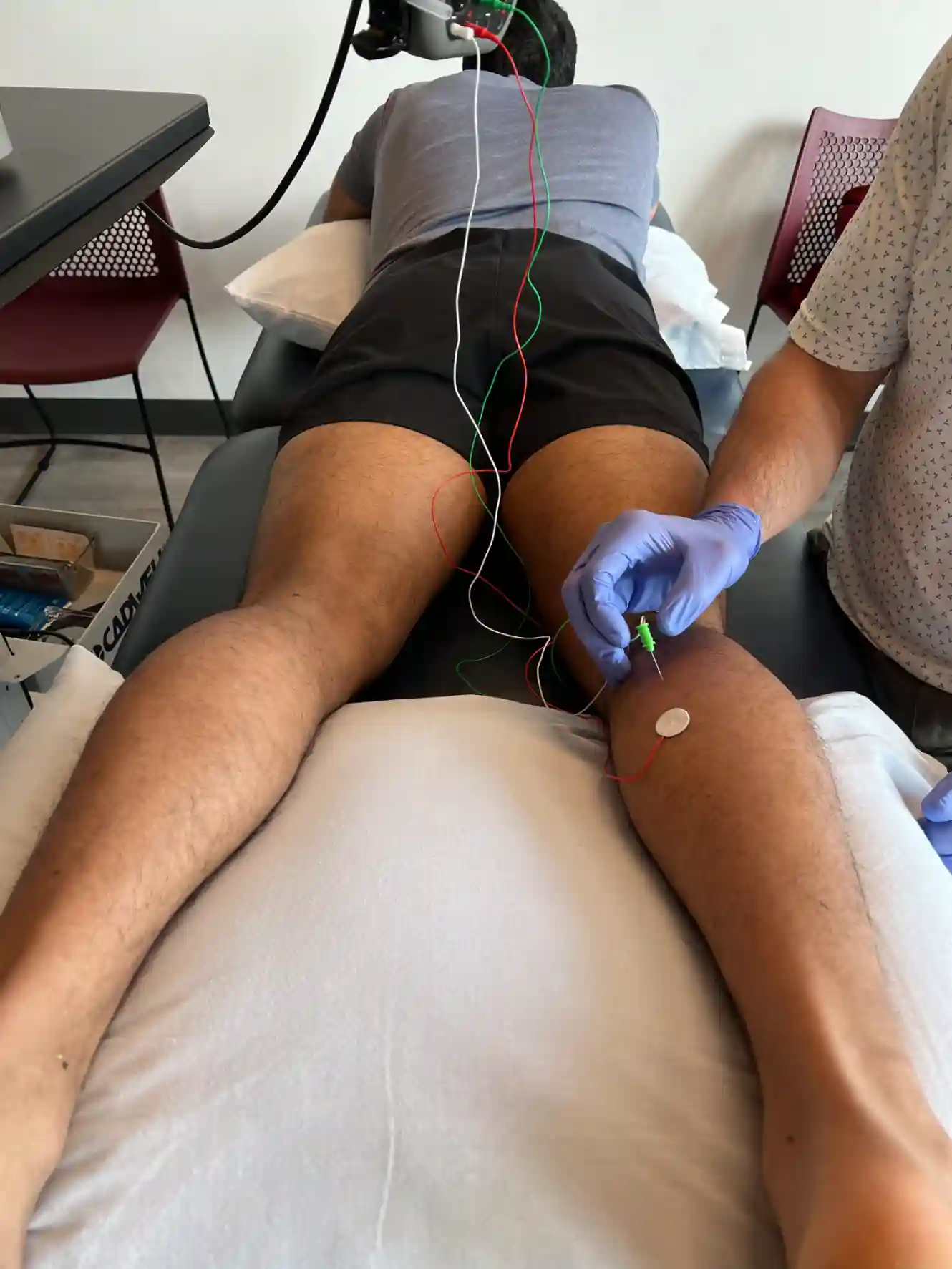
Neuromuscular Conditions Diagnosed via EMG and NCV Testing
Overview
Through our specialized diagnostic services, Neuromuscular Diagnostics identifies a wide range of neuromuscular conditions, including carpal tunnel syndrome, neuropathies, and various radiculopathies. Our advanced EMG and NCV tests are essential in pinpointing the sources of symptoms like pain, numbness, and muscle weakness, providing the critical information needed for effective treatment plans and improved patient care.
Our advanced EMG and NCV tests are essential in pinpointing the sources of symptoms like pain, numbness, and muscle weakness, providing the critical information needed for effective treatment plans and improved patient care.
Key Conditions
Neuromuscular Diagnostics is equipped to diagnose a variety of neuromuscular conditions that impact nerve and muscle function. Our advanced testing methods are crucial in identifying the following key conditions.
Amyotrophic Lateral Sclerosis (ALS)
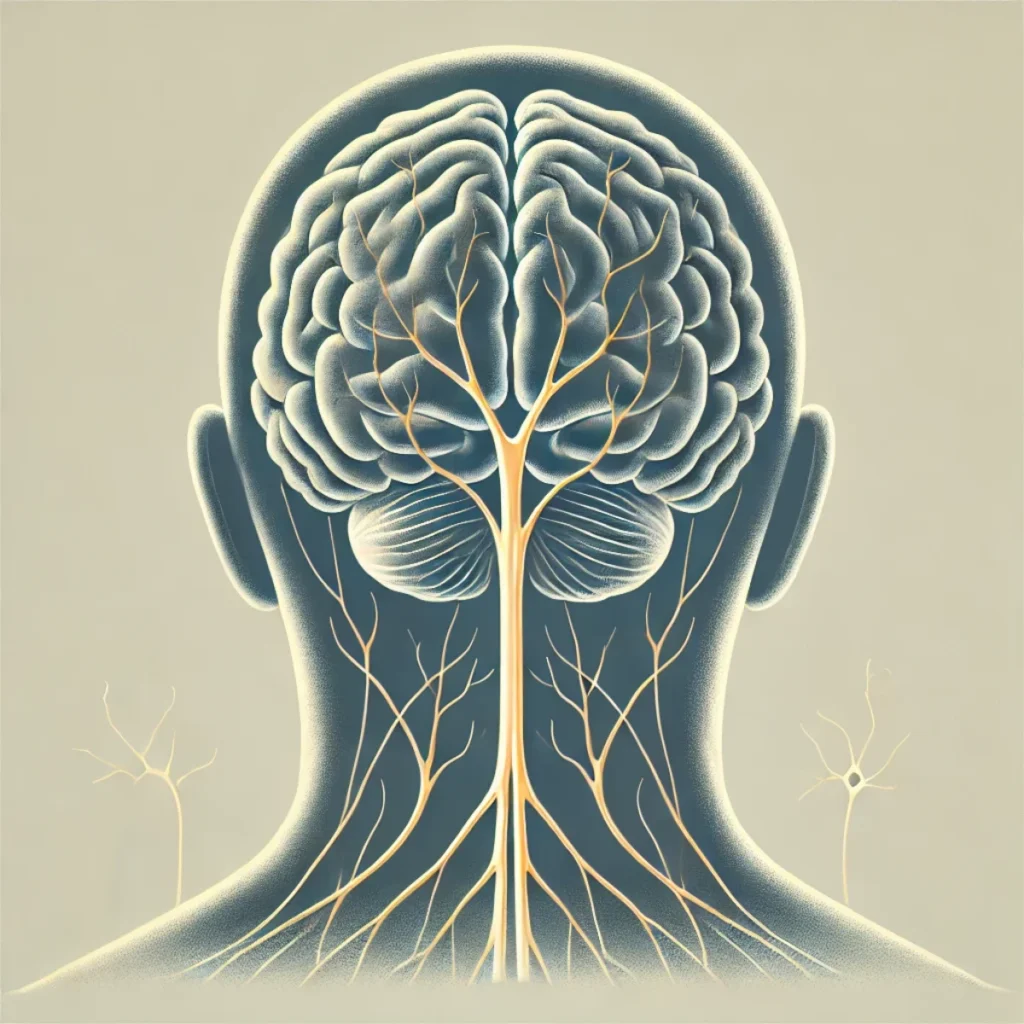
Amyotrophic lateral sclerosis, also known as Lou Gehrig’s disease, is a progressive neurodegenerative disorder that affects nerve cells in the brain and spinal cord. This leads to muscle weakness, paralysis, and eventually, loss of the ability to speak, eat, move, and breathe, requiring timely diagnosis for symptom management.

Baxter's Neuritis
Baxter’s neuritis is a condition caused by compression of the inferior calcaneal nerve in the heel. It often leads to chronic heel pain that can mimic plantar fasciitis, especially during prolonged standing or walking. Accurate diagnosis is important to identify the true source of pain and guide effective treatment.
Bell's Palsy
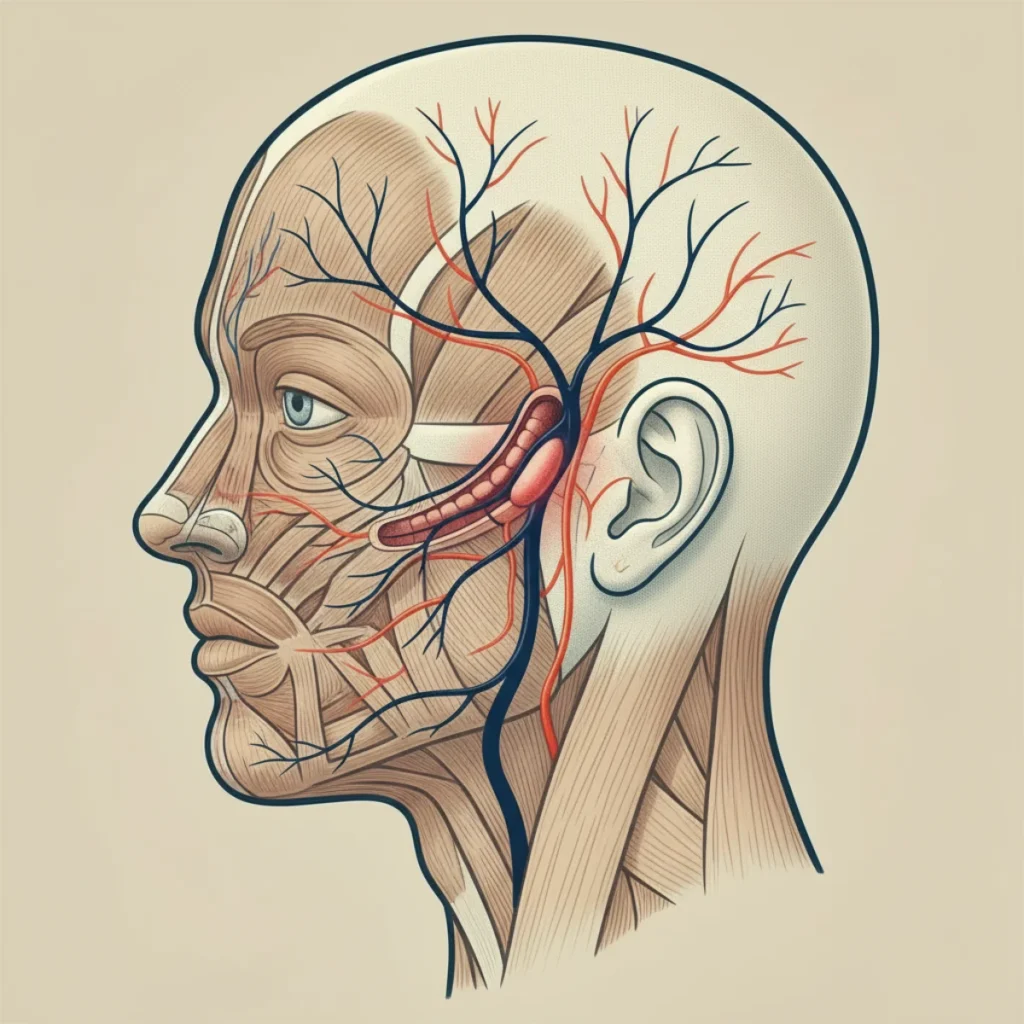
Bell’s palsy is a condition that causes sudden weakness or paralysis on one side of the face due to inflammation of the facial nerve. Symptoms may include facial drooping, difficulty closing the eye, and changes in taste. Early diagnosis helps rule out other causes and supports appropriate management and recovery.

Brachial Plexopathy
Brachial plexopathy involves damage to the network of nerves that control movement and sensation in the shoulder, arm, and hand. It can result from injury, inflammation, or compression and may cause pain, weakness, or loss of function. Timely diagnosis is essential to determine the severity and guide treatment.
Carpal Tunnel Syndrome
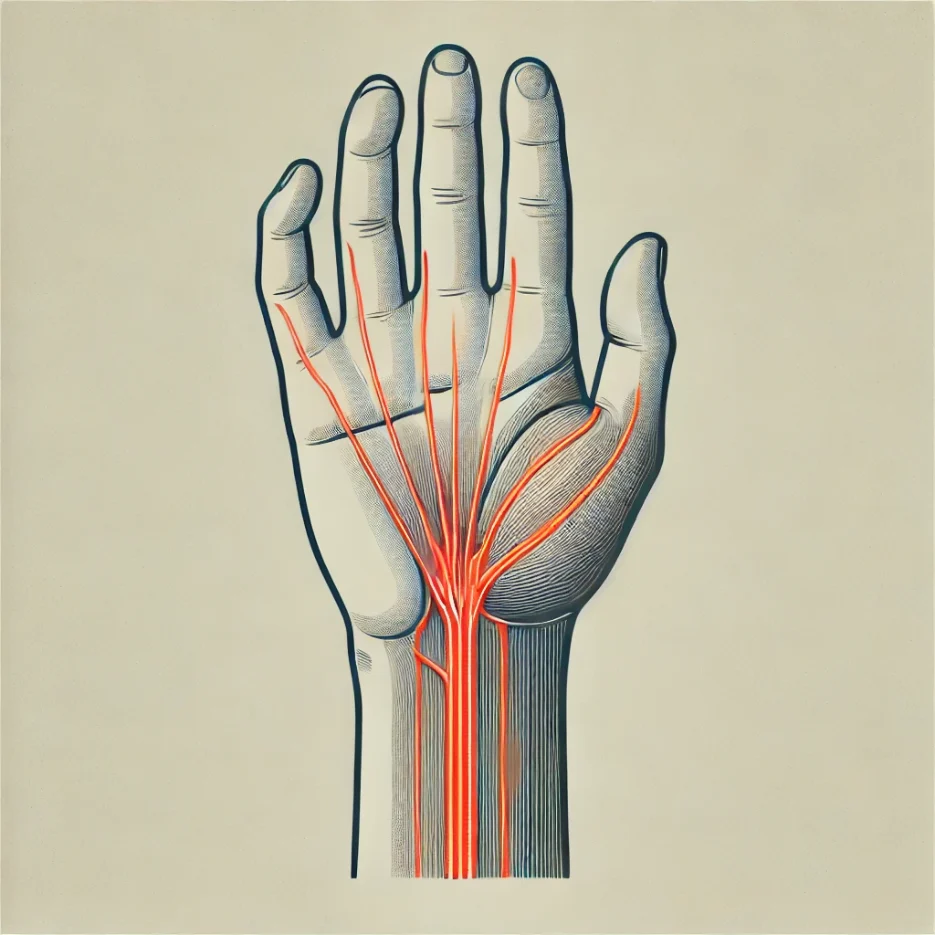
Carpal tunnel syndrome occurs when the median nerve, which runs through the wrist, becomes compressed. This can lead to symptoms such as tingling, numbness, and weakness in the hand and arm. Early diagnosis and treatment are crucial to prevent permanent nerve damage and maintain hand function.
Cervical Radiculopathy
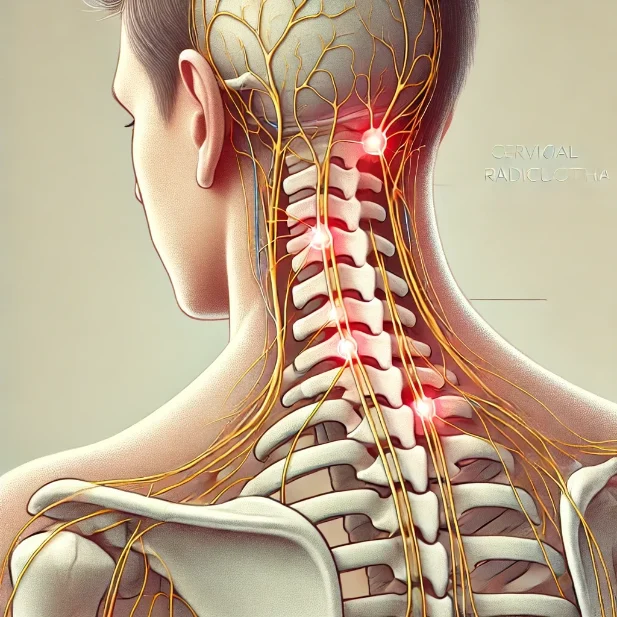
Cervical radiculopathy, commonly referred to as a “pinched nerve,” occurs when a nerve in the neck (cervical spine) becomes compressed or irritated, leading to pain, numbness, or weakness radiating from the neck into the shoulders, arms, and hands. This condition is often caused by herniated discs, degenerative changes in the spine, or bone spurs. Symptoms can range from mild discomfort to severe pain and loss of function in the affected areas. Early diagnosis is key for effective management, with treatment options including physical therapy, medications, and, in more severe cases, surgical intervention to relieve the pressure on the nerve and restore normal function.
Cubital Tunnel Syndrome
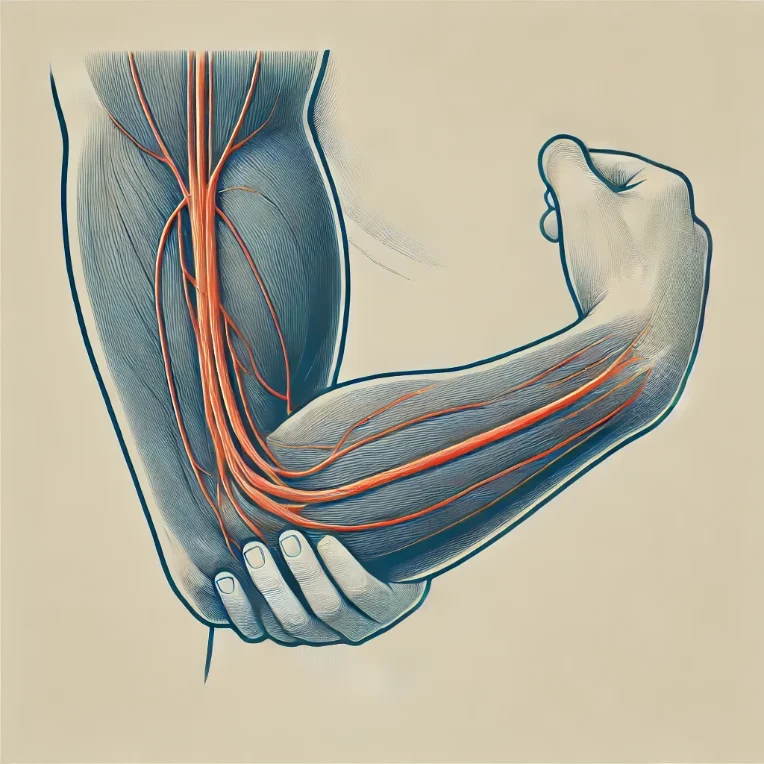
Cubital Tunnel Syndrome occurs when the ulnar nerve is compressed as it passes through the cubital tunnel, located on the inside of the elbow. This compression can lead to symptoms such as numbness, tingling, and weakness in the hand and fingers, particularly in the ring and pinky fingers. The condition can result from prolonged pressure on the elbow or repetitive bending. Proper diagnosis is crucial for managing Cubital Tunnel Syndrome, with treatment options including activity modification, bracing, or, in more severe cases, surgical intervention to relieve nerve pressure.

Diabetic Neuropathy
Diabetic neuropathy is a type of nerve damage that can occur in individuals with diabetes, most commonly affecting the legs and feet. Symptoms may include numbness, tingling, pain, and weakness in the affected areas. Over time, this condition can lead to serious complications, such as foot ulcers and infections. High blood sugar levels contribute to the damage, making blood sugar management a key component of treatment. Early diagnosis and intervention are important for slowing the progression of diabetic neuropathy and improving the quality of life.
Entrapment Neuropathy
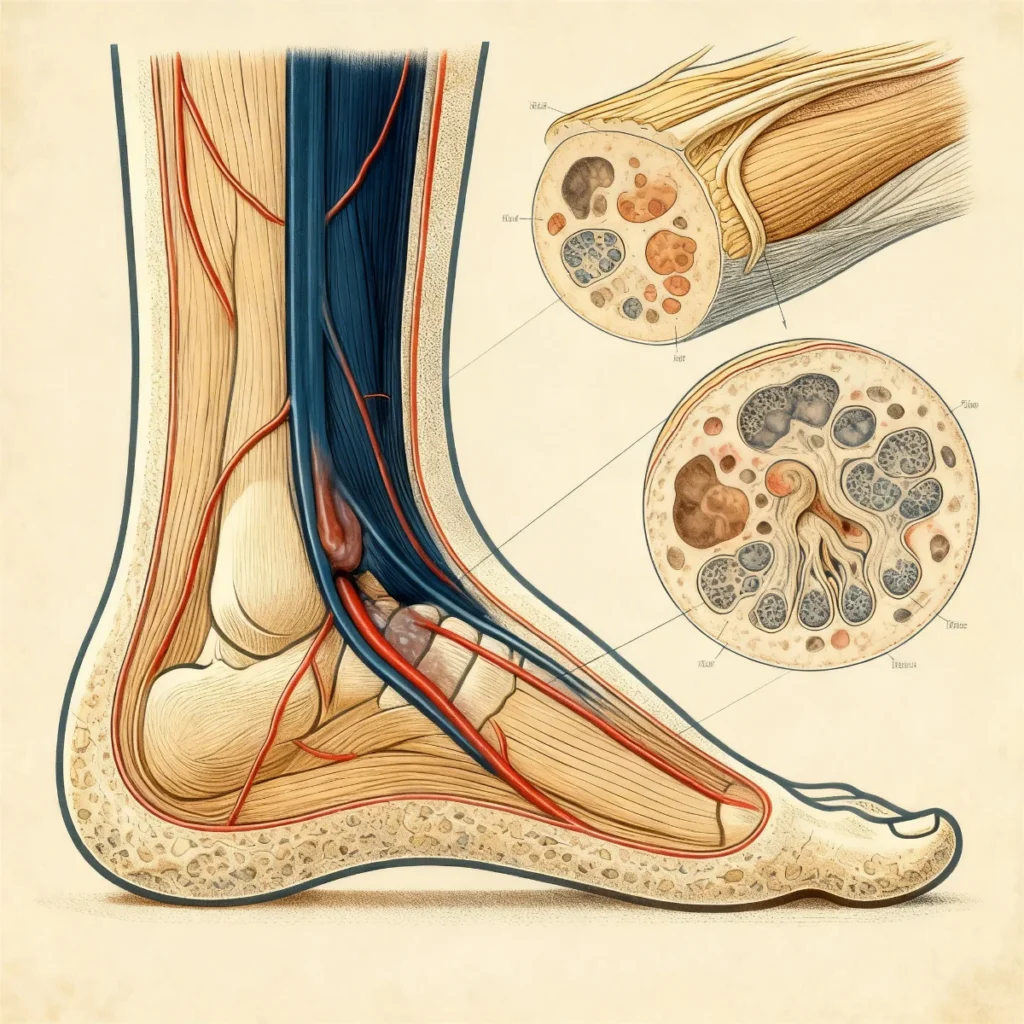
Entrapment neuropathy occurs when a nerve becomes compressed or irritated as it passes through tight spaces in the body. This can lead to symptoms such as numbness, tingling, pain, or weakness in the affected area. Identifying the exact location of nerve compression is key to effective treatment.
Foot Drop
Foot drop is a condition characterized by difficulty lifting the front part of the foot, often causing a dragging or slapping gait. It is typically caused by nerve injury, muscle weakness, or underlying neurological conditions. Early evaluation helps determine the cause and guide appropriate care.
Guillain-Barre syndrome
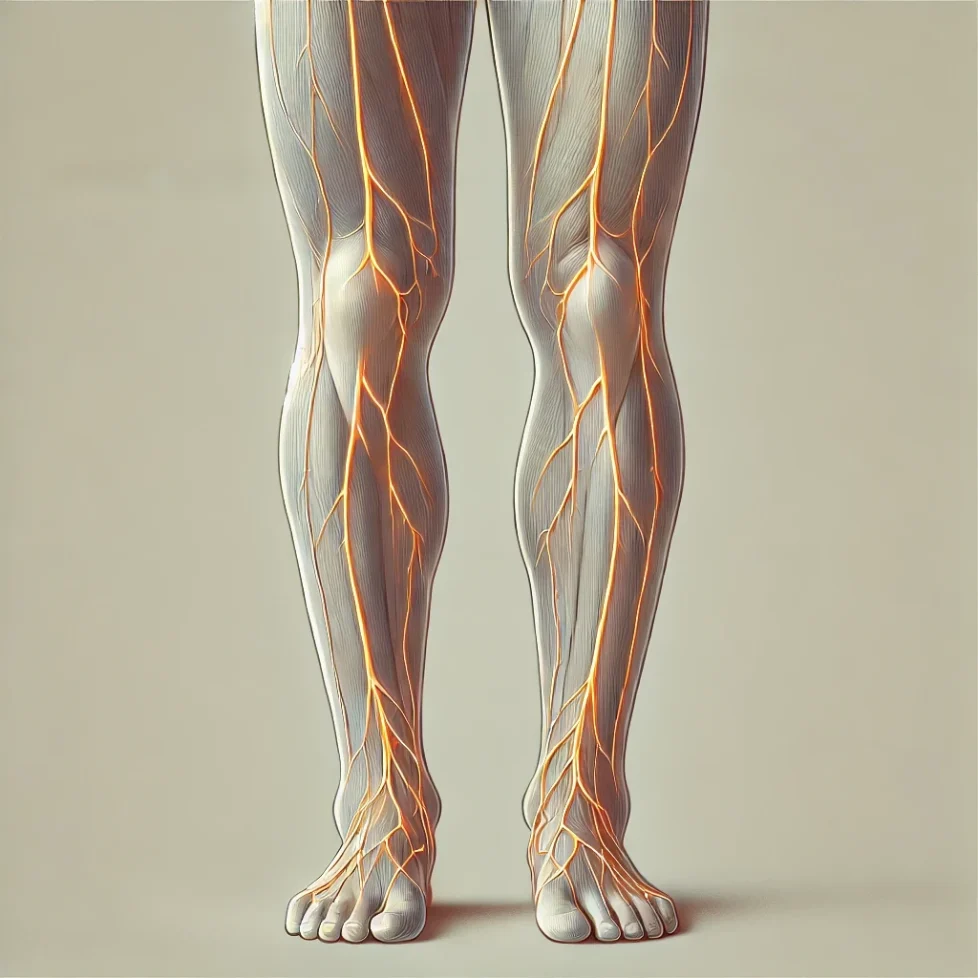
Guillain-Barré Syndrome (GBS) is a rare neurological disorder in which the body’s immune system mistakenly attacks the peripheral nerves. This can lead to rapid onset of muscle weakness, numbness, and tingling, often starting in the legs and progressing upwards. In severe cases, it can cause paralysis. The exact cause of GBS is unknown, but it is often triggered by infections. Early diagnosis is essential, as prompt treatment, such as immunotherapy or plasma exchange, can help manage symptoms and improve recovery outcomes. Most people recover, though some may experience lingering effects.

Lambert-Eaton Myasthenic Syndrome
Lambert-Eaton Myasthenic Syndrome (LEMS) is a rare autoimmune disorder that affects communication between nerves and muscles, leading to muscle weakness, especially in the hips and legs. Symptoms may improve with activity but worsen over time. Early diagnosis is important, as it can be associated with underlying conditions and requires specialized management.
Motor Neuron Disease
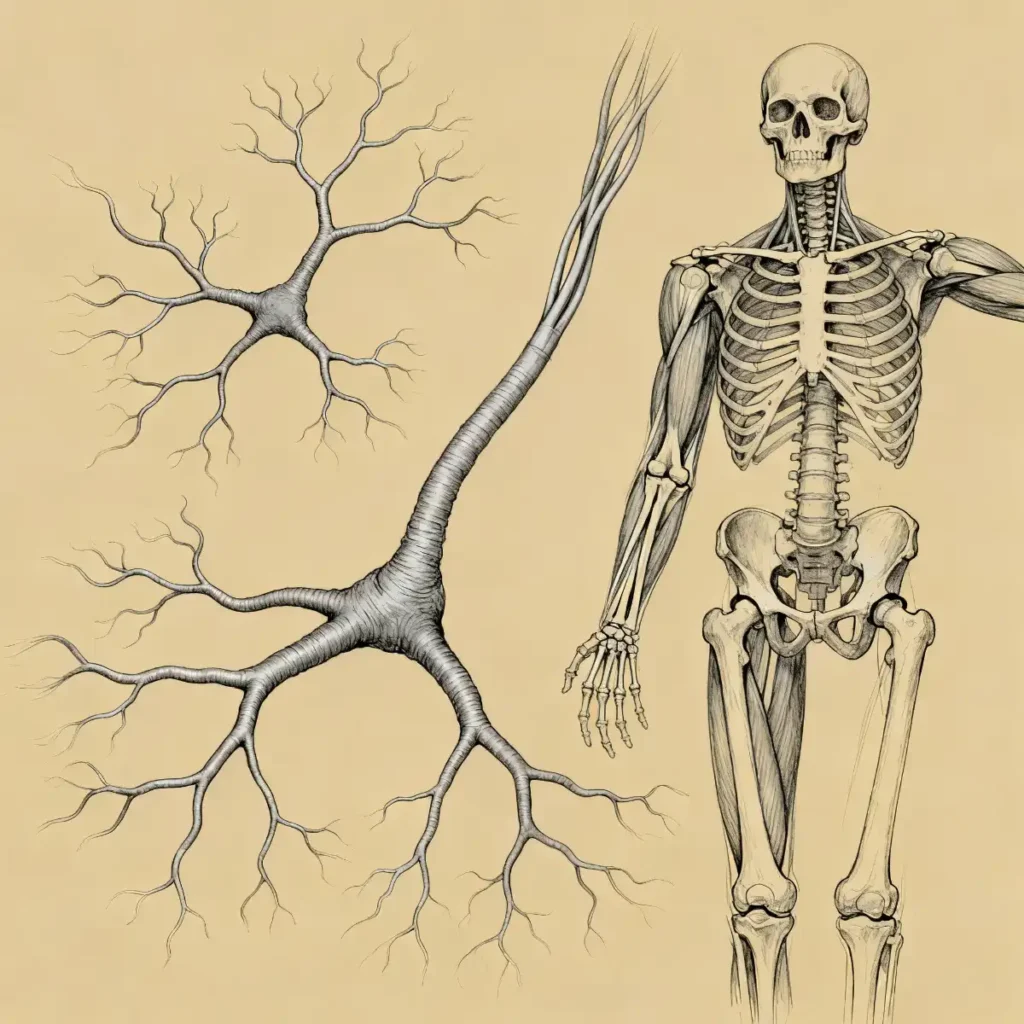
Motor neuron disease is a group of progressive neurological disorders that affect the nerve cells responsible for controlling voluntary muscle movement. Symptoms may include muscle weakness, twitching, and difficulty speaking or swallowing. Early diagnosis helps monitor progression and support symptom management.
Multiple Sclerosis (MS)
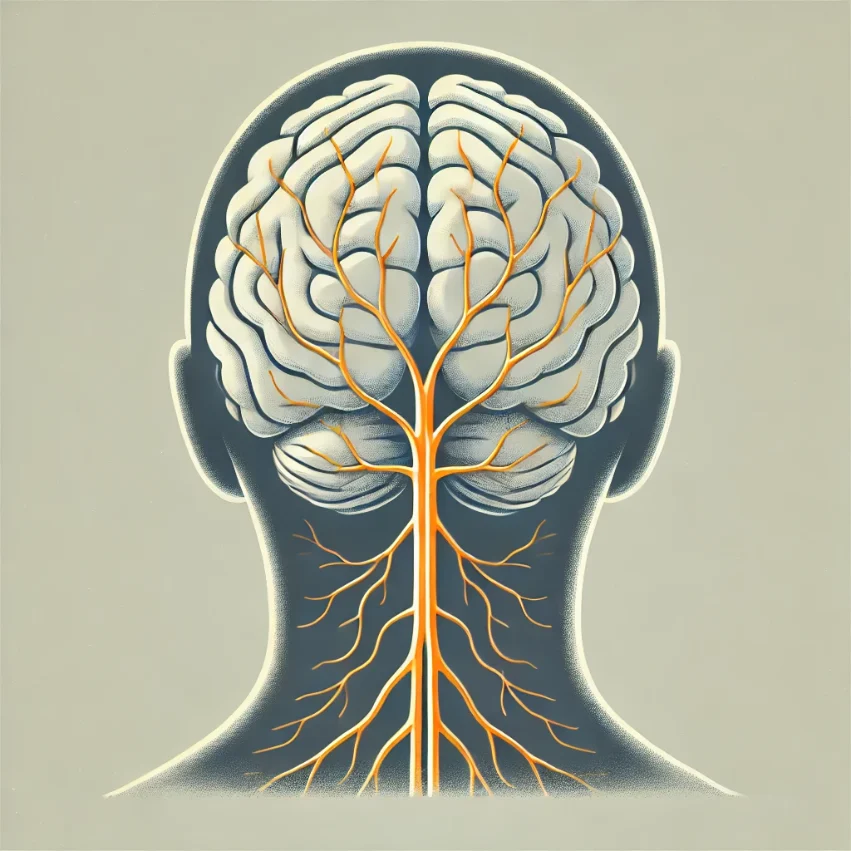
Multiple sclerosis is an autoimmune disease that affects the central nervous system, disrupting the communication between the brain and the rest of the body. It can lead to a wide range of symptoms, including muscle weakness, coordination issues, and vision problems, making early diagnosis essential for managing the disease’s progression.
Muscular Dystrophy
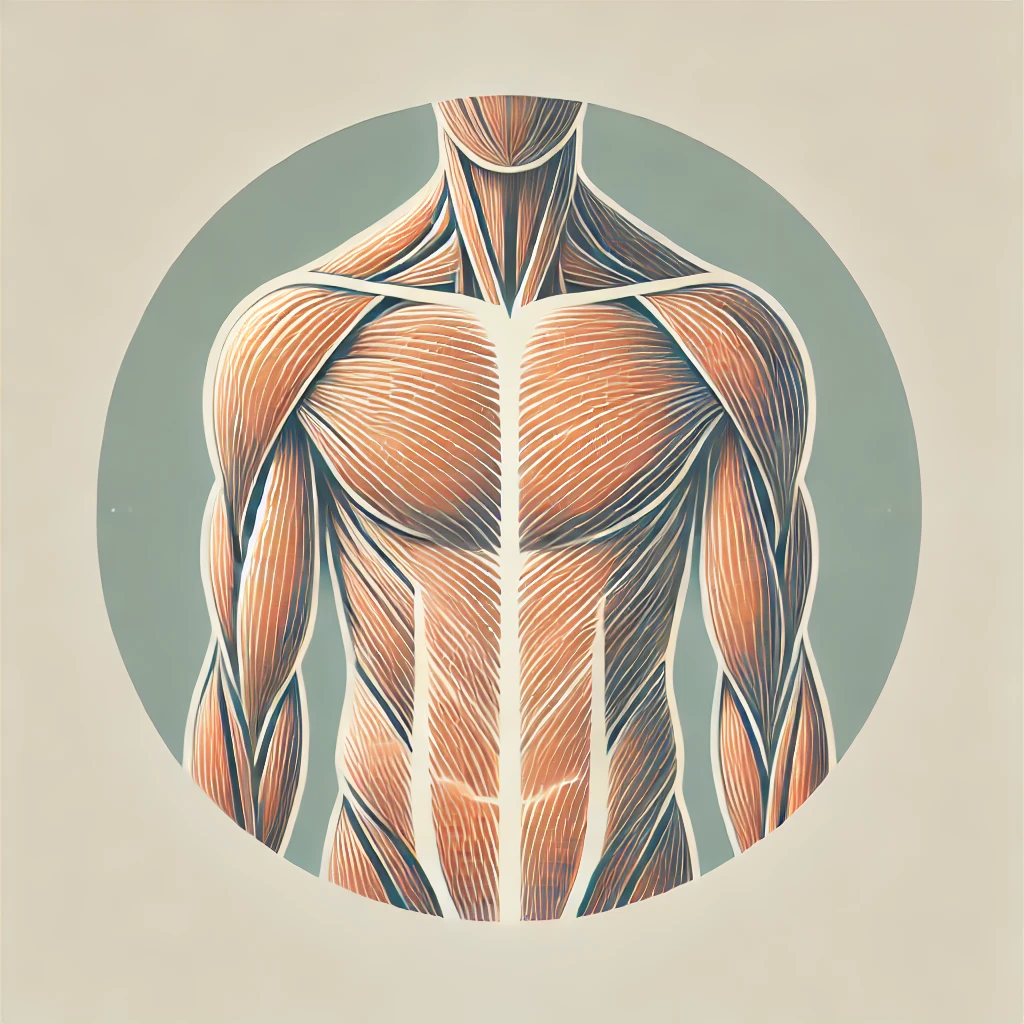
Muscular dystrophy is a group of genetic disorders characterized by progressive muscle weakness and degeneration. Different types of muscular dystrophy can affect various muscle groups, leading to physical disability over time. Early detection is key to managing symptoms and improving quality of life.
Myasthenia Gravis
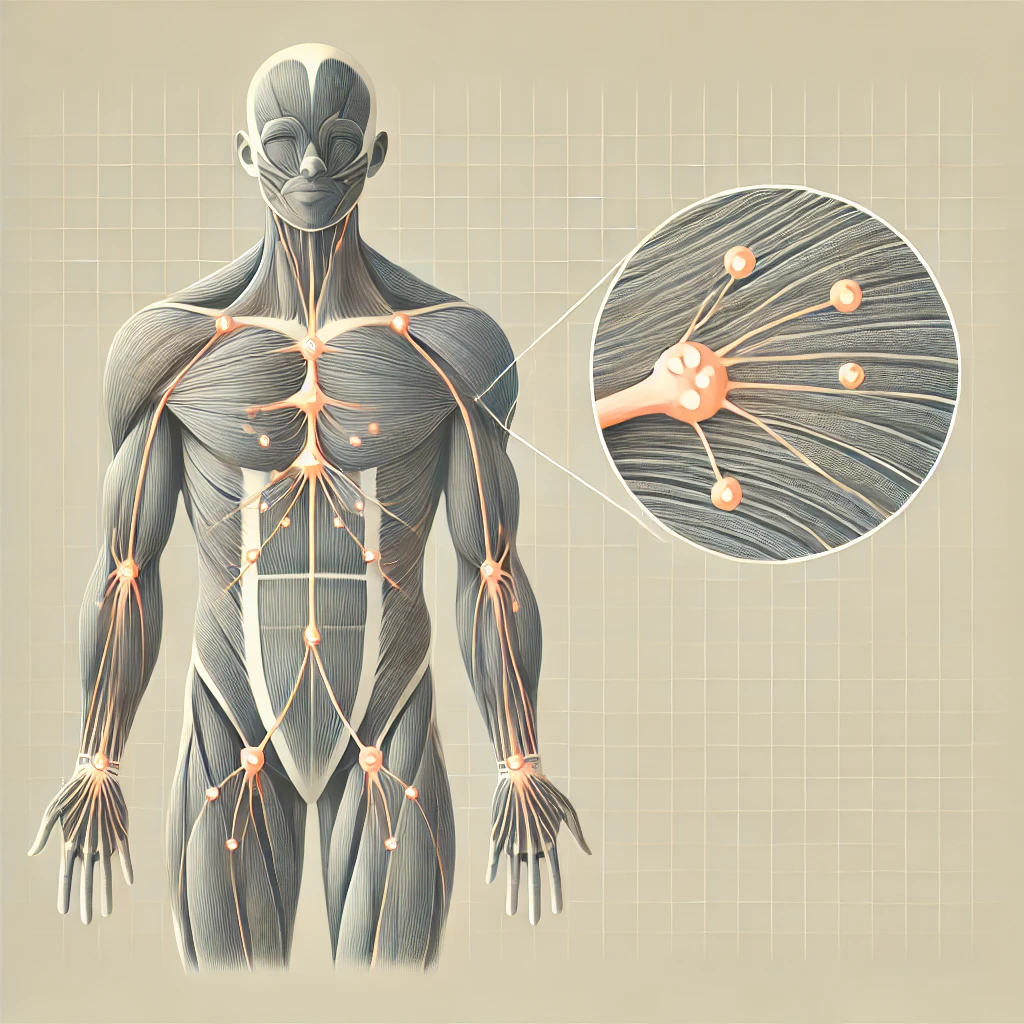
Myasthenia gravis is an autoimmune disorder that disrupts the communication between nerves and muscles, causing muscle weakness and fatigue, particularly after periods of activity. It often affects the eyes, face, and swallowing muscles, and requires prompt diagnosis to manage symptoms effectively.
Myopathy
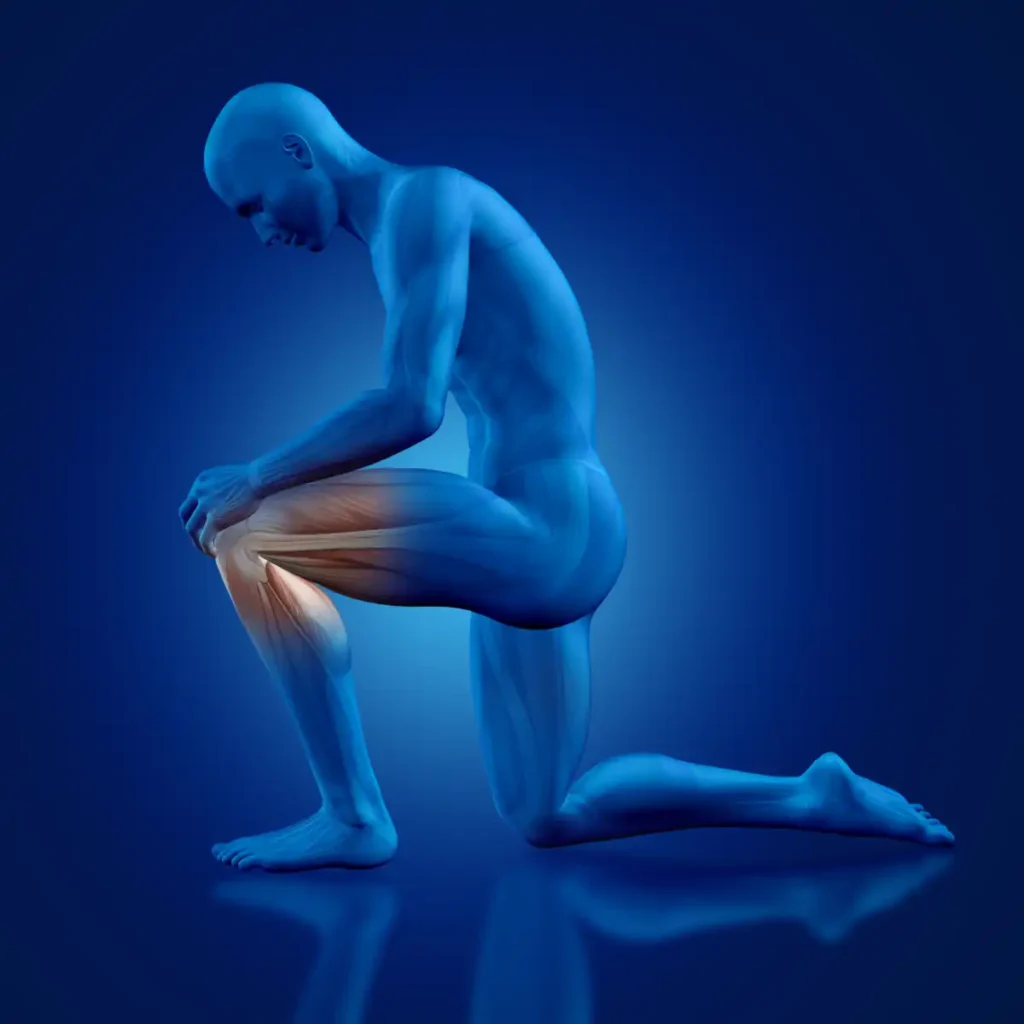
Myopathy refers to diseases that affect muscle tissue, leading to muscle weakness, fatigue, and reduced function. Causes can include genetic conditions, inflammation, or metabolic disorders. Proper diagnosis helps determine the underlying cause and guide treatment options.
Nerve Palsies
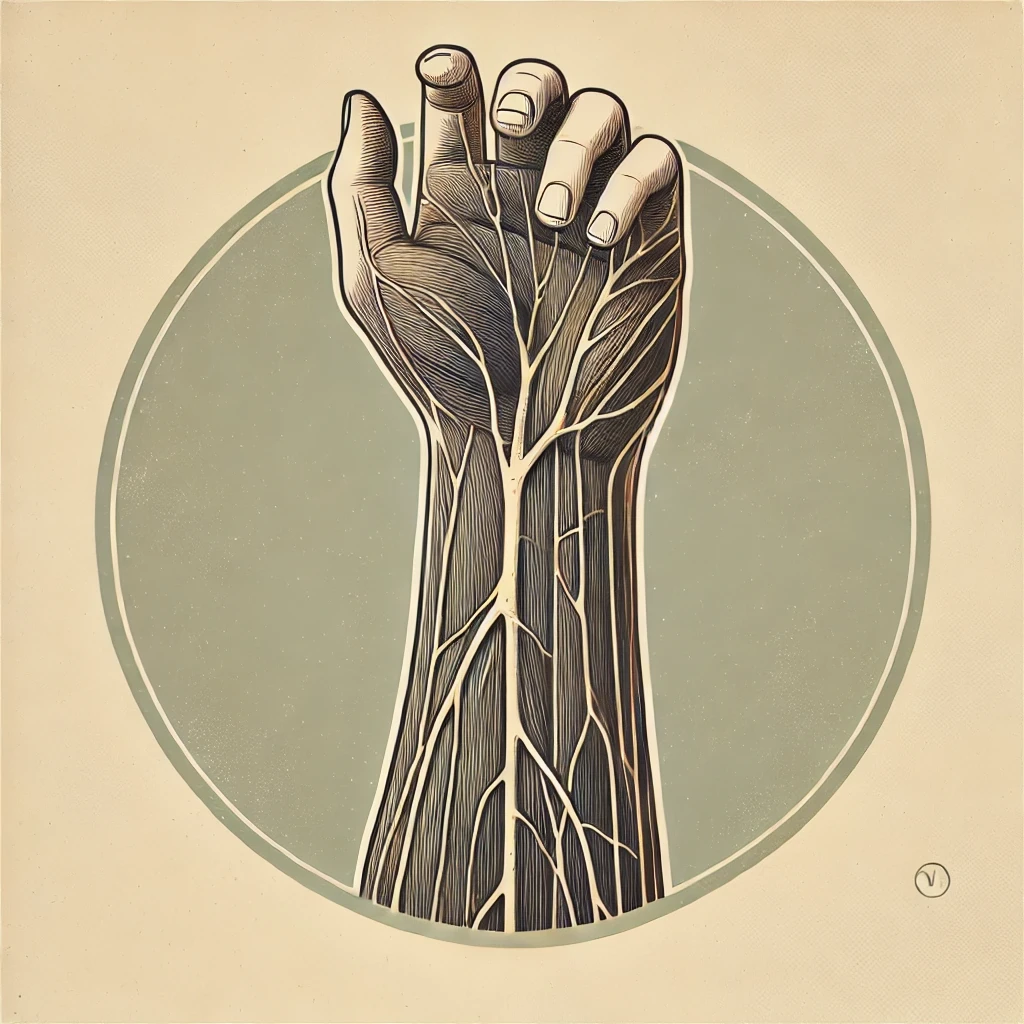
Nerve palsies refer to conditions where there is a loss of function in a nerve, leading to weakness or paralysis in the muscles that the nerve controls. This can result from trauma, compression, inflammation, or certain medical conditions affecting the nerve. Common types include facial nerve palsy (Bell’s palsy), which causes weakness or paralysis on one side of the face, and oculomotor nerve palsy, affecting eye movement. Symptoms vary depending on the nerve involved but may include muscle weakness, numbness, or loss of coordination. Early diagnosis and treatment, such as physical therapy, medications, or surgery, are essential for restoring function and preventing further nerve damage.
Piriformis Syndrome
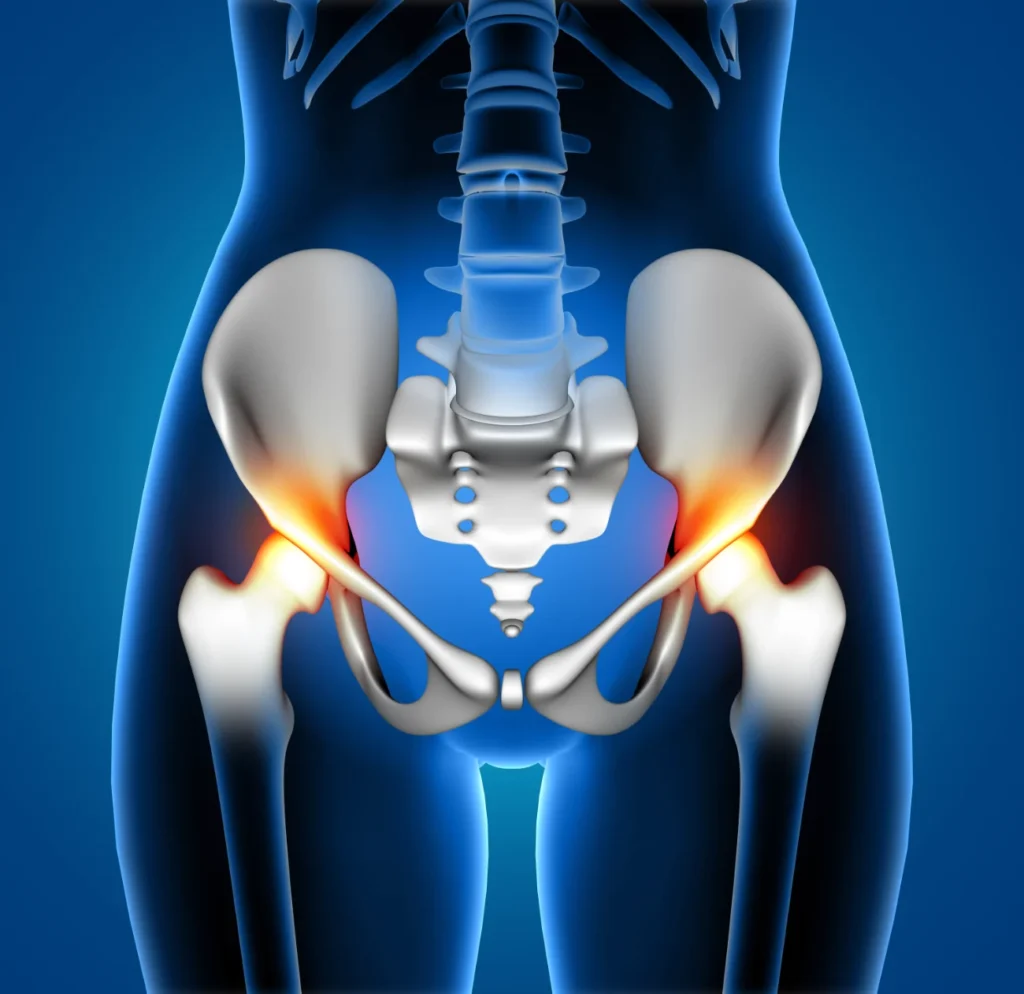
Piriformis syndrome occurs when the piriformis muscle in the buttock compresses or irritates the sciatic nerve. This can cause pain, tingling, or numbness that radiates down the leg, similar to sciatica. Accurate diagnosis is important to differentiate it from other causes of nerve pain.

Peripheral Neuropathy
Peripheral neuropathy refers to damage to the peripheral nerves, which can cause weakness, numbness, and pain, typically in the hands and feet. This condition can result from diabetes, infections, traumatic injuries, or other underlying health issues, and it often requires precise diagnosis for effective management.

Polymyositis
Polymyositis is an inflammatory muscle disease that causes progressive muscle weakness, typically affecting muscles closest to the trunk, such as the hips, thighs, shoulders, and neck. This can make everyday activities like climbing stairs, lifting objects, or rising from a seated position more difficult. Early diagnosis is important to manage inflammation, improve muscle strength, and prevent further complications.
Polyneuropathy
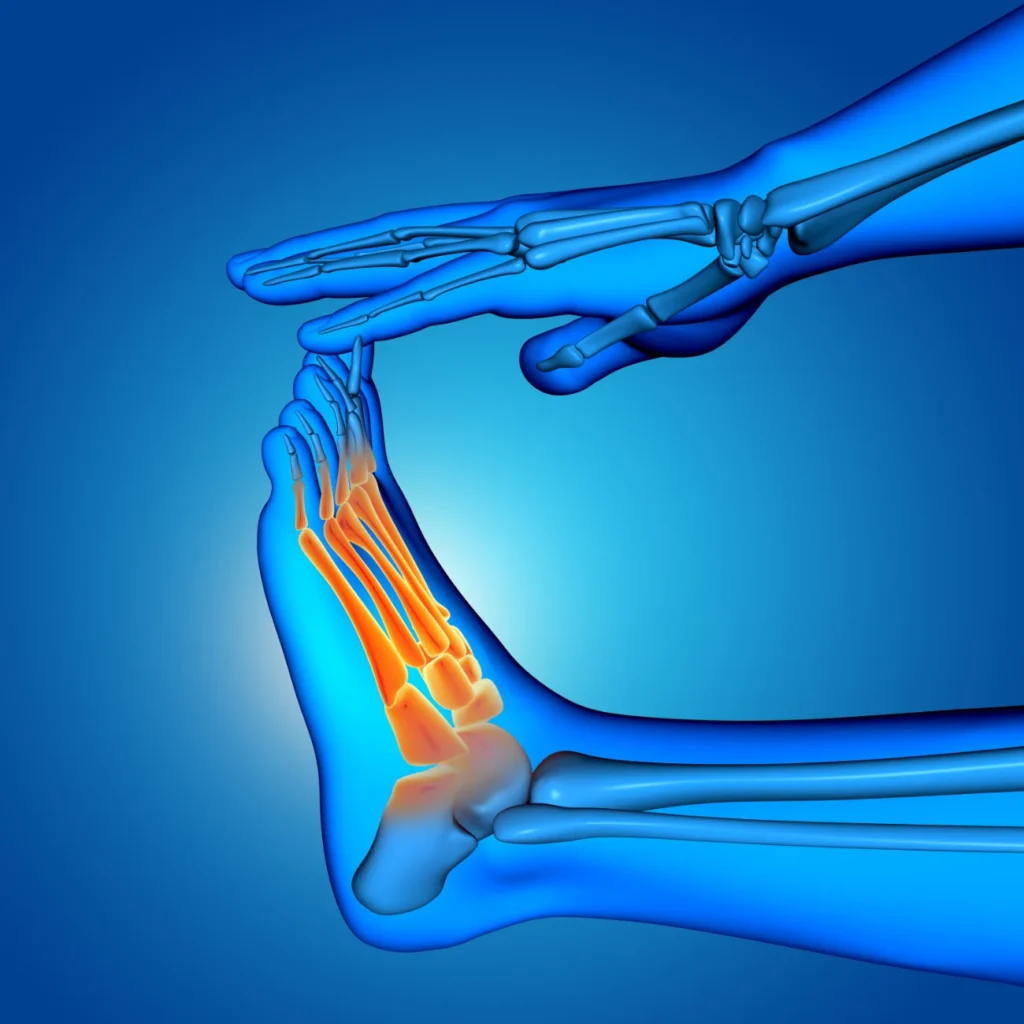
Polyneuropathy is a condition that affects multiple peripheral nerves throughout the body, often causing numbness, tingling, burning sensations, or weakness, typically in the hands and feet. It can result from conditions such as diabetes, infections, or toxin exposure. Early diagnosis is essential for managing symptoms and preventing progression.
Radial Tunnel Syndrome
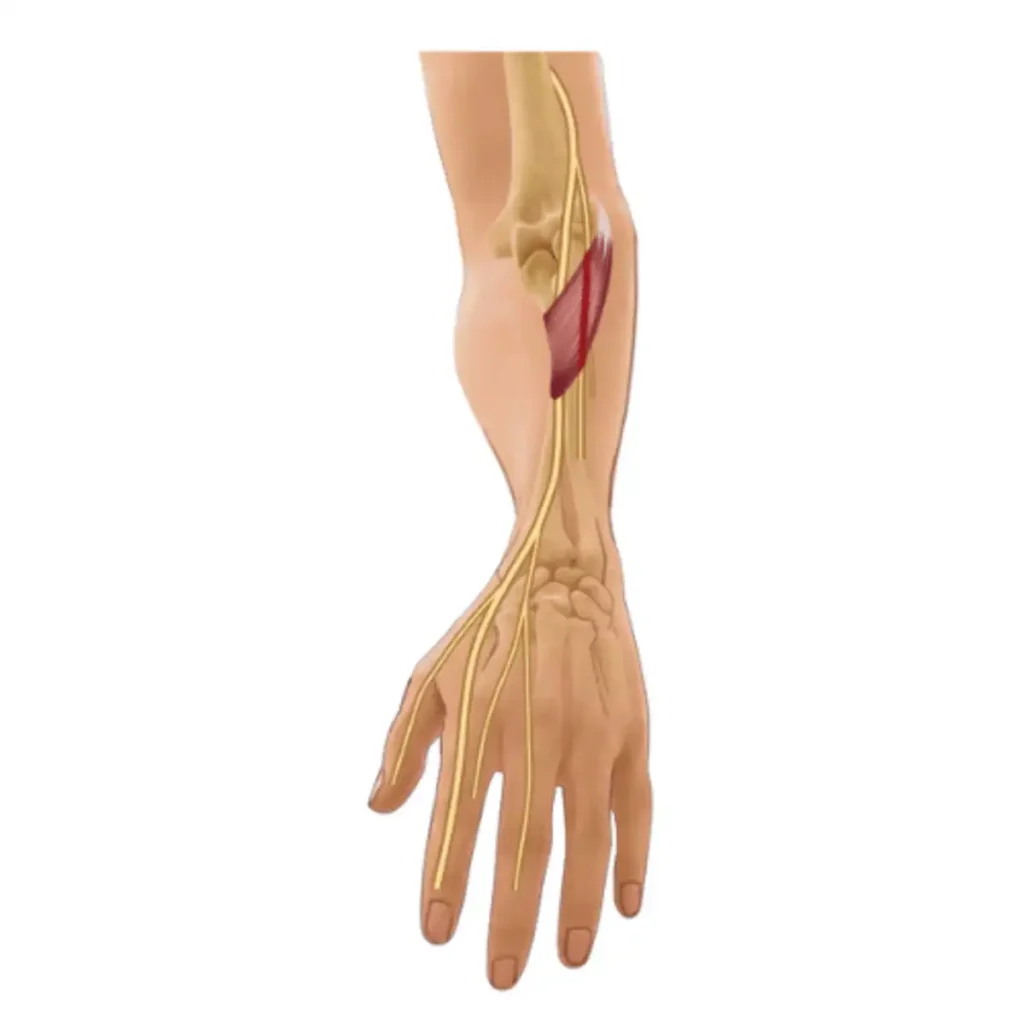
Radial tunnel syndrome occurs when the radial nerve is compressed as it passes through the forearm. This can cause pain along the outside of the elbow and forearm, often without significant weakness. Proper diagnosis helps distinguish it from similar conditions like tennis elbow.
Sciatic Nerve Dysfunction
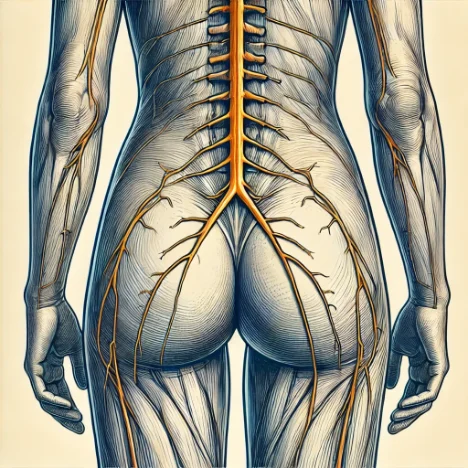
Sciatic nerve dysfunction, also known as sciatica, occurs when the sciatic nerve, which runs from the lower back down through the hips, buttocks, and legs, is compressed or irritated. This can lead to symptoms such as sharp pain, numbness, tingling, or weakness in the lower back, leg, or foot. Sciatica is often caused by herniated discs, spinal stenosis, or other conditions that put pressure on the nerve. Proper diagnosis is crucial to determine the underlying cause, and treatment options may include physical therapy, medications, or, in more severe cases, surgical intervention to relieve nerve pressure and alleviate symptoms.
Tarsal Tunnel Syndrome
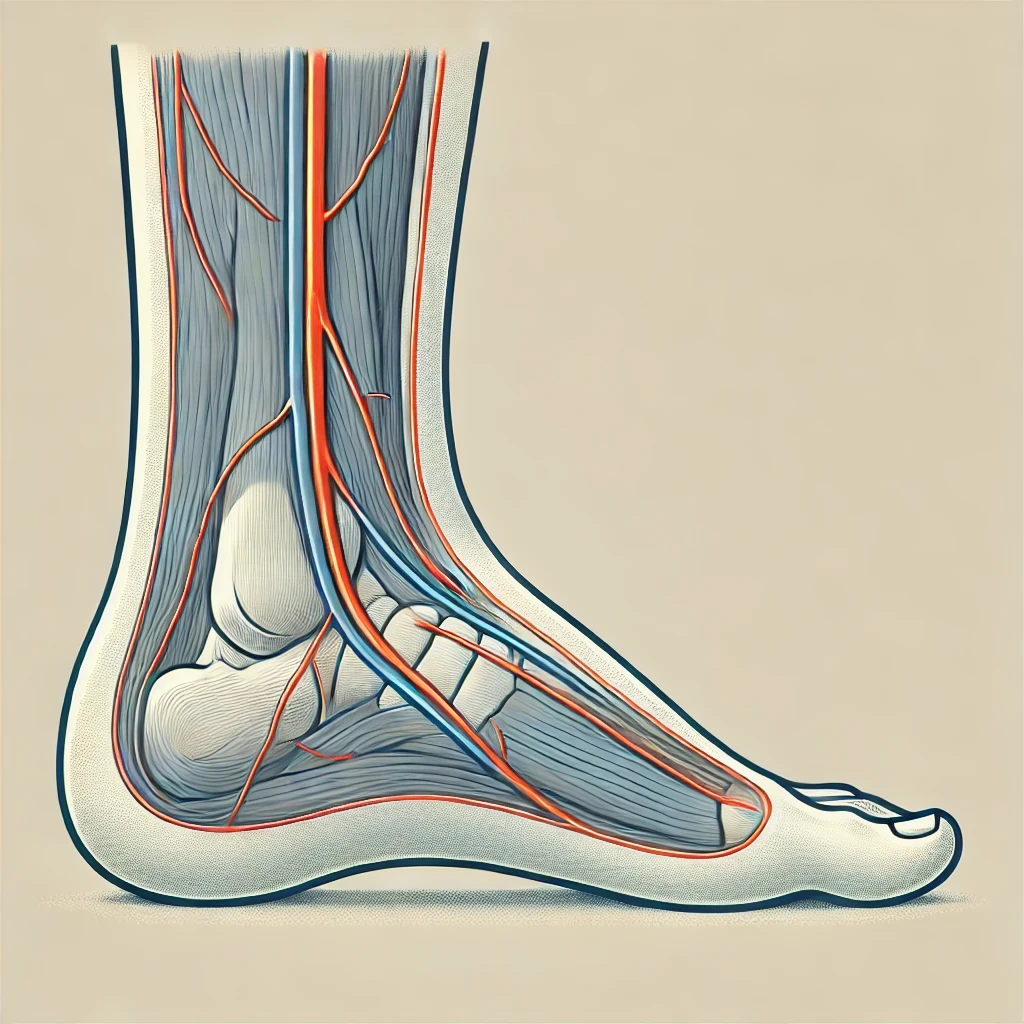
Tarsal Tunnel Syndrome is a condition caused by compression of the posterior tibial nerve as it travels through the tarsal tunnel, located along the inner ankle. This can lead to symptoms such as tingling, numbness, and shooting pain in the foot and ankle, which may worsen with activity. Tarsal Tunnel Syndrome can result from injuries, inflammation, or other conditions that increase pressure in the tunnel. Accurate diagnosis is essential for effective treatment, which may include physical therapy, orthotics, or surgery to relieve pressure on the nerve.

Thoracic Outlet Syndrome
Thoracic outlet syndrome occurs when nerves or blood vessels are compressed in the space between the collarbone and first rib. This can lead to pain, numbness, tingling, and weakness in the shoulder, arm, or hand. Early diagnosis is important to prevent long-term complications.
Trigeminal Neuralgia
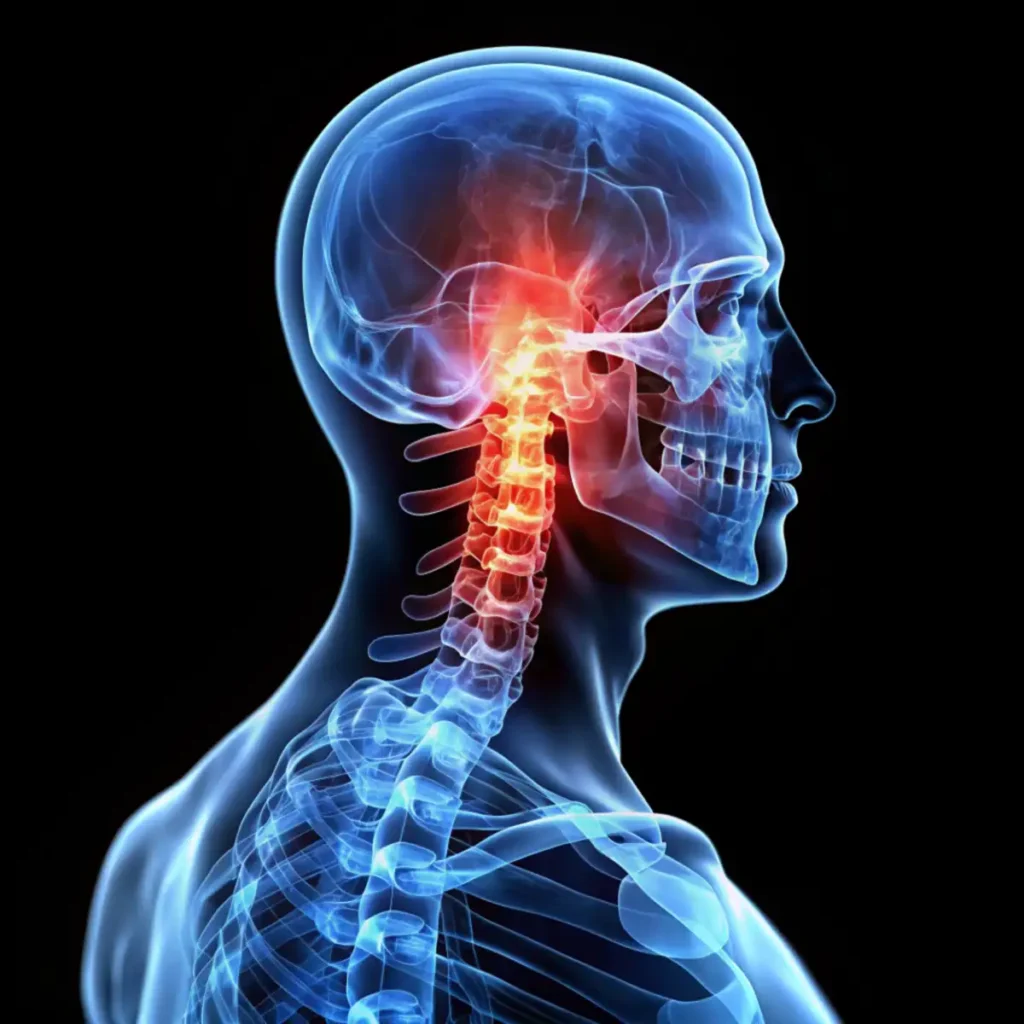
Trigeminal neuralgia is a chronic pain condition affecting the trigeminal nerve, which carries sensation from the face to the brain. It is characterized by sudden, severe facial pain that can be triggered by everyday activities like speaking or brushing teeth. Early diagnosis is essential to manage symptoms and improve quality of life.